
Women, Caste and Reform – Class 8 History
Introduction
This chapter highlights the social reform movements in 19th and 20th century India. It focuses on how reformers challenged practices like child marriage, sati, caste discrimination, and lack of education for women. For UP Board, Bihar Board, RBSE, MP Board, Jharkhand Board, Chhattisgarh Board, Haryana Board, and Uttarakhand Board, this chapter is highly exam-relevant.
Chapter Overview
Women Reform: Campaigns against sati, child marriage, and for widow remarriage and women’s education.
Caste Reform: Movements against untouchability and caste-based discrimination.
Reformers: Raja Ram Mohan Roy, Ishwar Chandra Vidyasagar, Jyotiba Phule, B.R. Ambedkar, Mahatma Gandhi.
Historical Background
Indian society was deeply patriarchal and caste-ridden.
Reformers inspired by modern ideas and humanitarian values.
Colonial laws and education helped spread reformist ideas.
Detailed Explanation of the Chapter
Women Reform
Raja Ram Mohan Roy: Opposed sati, supported widow remarriage.
Ishwar Chandra Vidyasagar: Advocated women’s education and widow remarriage.
Pandita Ramabai: Worked for widows and women’s rights.
Begums of Bhopal: Supported women’s education.
Caste Reform
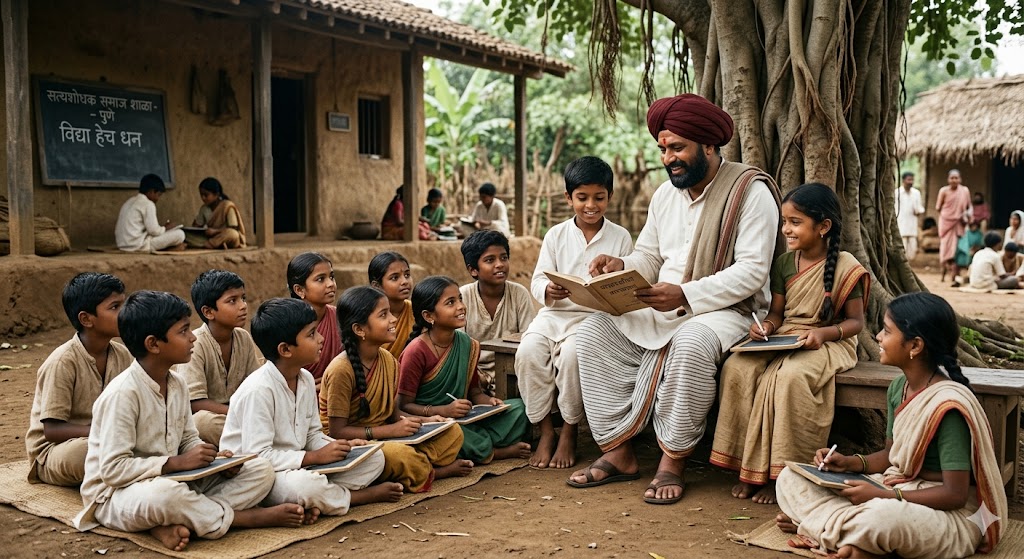
Jyotiba Phule: Opposed Brahmanical dominance, opened schools for lower castes.
Periyar (E.V. Ramasamy): Criticized caste system and promoted self-respect movement.
B.R. Ambedkar: Fought against untouchability, drafted Indian Constitution.
Mahatma Gandhi: Campaigned against untouchability, called lower castes “Harijans.”
Important Dates and Events
1829: Abolition of Sati (Raja Ram Mohan Roy’s efforts)
1856: Widow Remarriage Act (Ishwar Chandra Vidyasagar)
1873: Satya Shodhak Samaj founded by Jyotiba Phule
1920s: Gandhi’s Harijan movement
1930s: Ambedkar’s campaigns for Dalit rights
Important Personalities
Raja Ram Mohan Roy: Social reformer, opposed sati.
Ishwar Chandra Vidyasagar: Promoted widow remarriage and women’s education.
Jyotiba Phule: Fought caste discrimination.
B.R. Ambedkar: Leader of Dalits, architect of Constitution.
Mahatma Gandhi: Worked against untouchability.
Timeline of Events
1829: Sati abolished.
1856: Widow Remarriage Act.
1873: Satya Shodhak Samaj.
1920s–30s: Gandhi and Ambedkar’s movements.
Causes and Effects
Cause: Reformers opposed social evils | Effect: Legal reforms passed
Cause: Spread of modern education | Effect: Rise of women’s education
Cause: Caste reform movements | Effect: Empowerment of lower castes
Key Terms and Definitions
Sati: Practice of burning widows on husband’s pyre.
Widow Remarriage Act: Law allowing widows to remarry.
Satya Shodhak Samaj: Organization against caste discrimination.
Harijan: Gandhi’s term for untouchables.
Important Questions and Answers
MCQs
1. Widow Remarriage Act was passed in:
a) 1829
b) 1856
c) 1873
d) 1930
Very Short Answer
Q: Who abolished sati?
A: Raja Ram Mohan Roy.
Short Answer
Q: What was Jyotiba Phule’s contribution to social reform?
A: He founded Satya Shodhak Samaj and promoted education for lower castes.
Long Answer
Q: Explain the role of Ambedkar in caste reform.
A: Ambedkar fought against untouchability, organized Dalits, and ensured equality in the Indian Constitution.
Previous Year Board Questions
UP Board: Write short notes on Widow Remarriage Act.
Bihar Board: Who was Jyotiba Phule?
RBSE: Explain Gandhi’s Harijan movement.
MP Board: Describe Ambedkar’s role in caste reform.
Important Exam Notes
Sati abolished in 1829.
Widow Remarriage Act passed in 1856.
Jyotiba Phule founded Satya Shodhak Samaj in 1873.
Ambedkar and Gandhi led caste reform movements.
Common Mistakes Students Make
Confusing dates (1829 vs 1856).
Forgetting names of reformers.
Writing incomplete answers without examples.
Memory Tricks and Mnemonics
S-W-J-G-A Formula: Sati – Widow Remarriage – Jyotiba – Gandhi – Ambedkar.
1829 = Sati Abolished, 1856 = Widow Remarriage.
Chapter Summary / Quick Revision Notes
Reformers challenged social evils like sati, child marriage, caste discrimination.
Women’s education promoted by Vidyasagar, Ramabai, Begums of Bhopal.
Caste reform led by Phule, Ambedkar, Gandhi, Periyar.
Legal reforms passed in 19th–20th centuries.
FAQs
Q1: Who abolished sati in India?
Raja Ram Mohan Roy’s efforts led to the abolition of sati in 1829.
Q2: What was the Widow Remarriage Act?
A law passed in 1856 allowing widows to remarry.
Q3: Who founded Satya Shodhak Samaj?
Jyotiba Phule in 1873.
Q4: What was Ambedkar’s role in caste reform?
He fought against untouchability and drafted the Indian Constitution ensuring equality.
Conclusion
This chapter shows how reformers fought against social evils and caste discrimination. For exams, focus on dates, reformers, and laws. With proper revision, students can easily score high marks in UP, Bihar, RBSE, MP, and other Hindi Belt Boards.