
The Glove and the Lions by Leigh Hunt Summary, Analysis, Line by line Explanation and theme| The Glove and the Lions complete study guide
Introduction
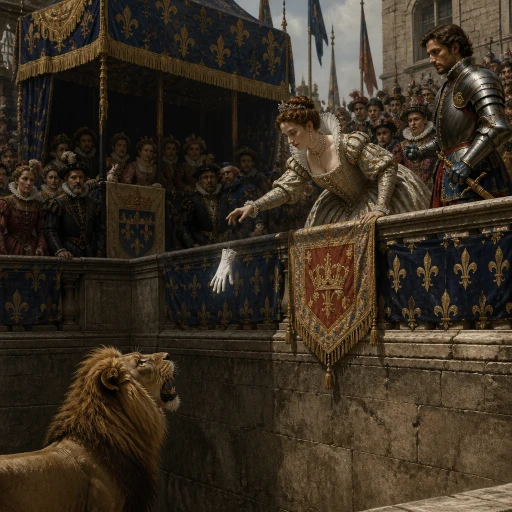
Leigh Hunt’s The Glove and the Lions is a dramatic , movie-style ballad set in 15th century France in the court of King Francis I. A foolish lady in order to boast about her love puts her lover’s life in danger by making him retrieve her glove from a pit of fighting lions. The lover, Count de Lorge, makes up his mind to teach the lady a lesson. He insults her and her superficial love by an unforgettable lesson. The poem is entertaining, short but full of gripping actions.
About the Poet
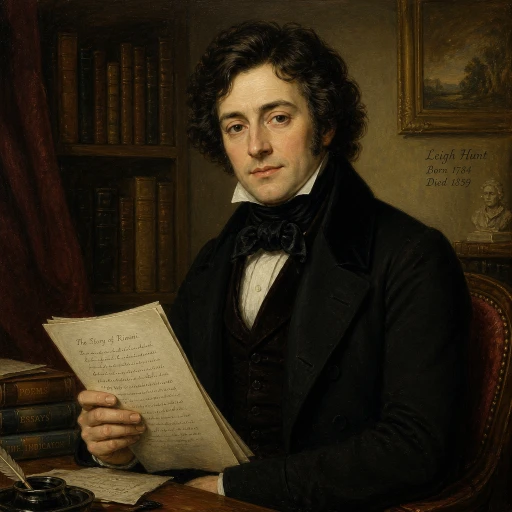
Leigh Hunt (1784–1859) was an English poet, critic, journalist, and essayist of the Romantic period. His poetry harbours moral and logical insight. His language features simplicity and humour.
Setting of the Poem
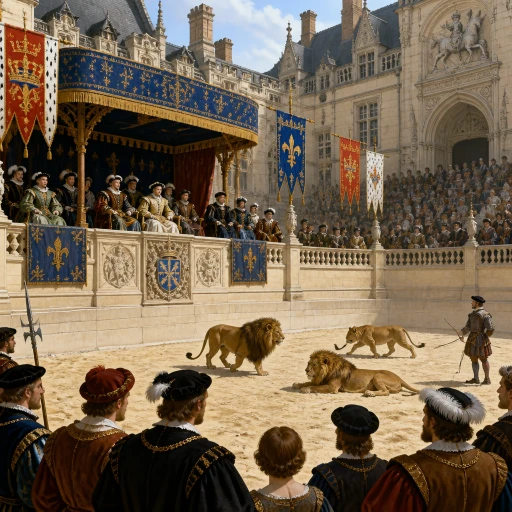
The time during in which this poem is set is 15th century France. Yes, it is the flowering Renaissance time. The poem takes place in the court of King Francis I. To be more specific, the place is a royal arena where King Francis and his noble courtiers have gathered to enjoy the ruthless match of beastly lions. This was there entertainment way. King Francis harboured love for beastly animals. Therefore, he has organized such an event inviting his courtiers to join him in the event.
Summary of the Poem| The Glove and the Lions Summary|
The Glove and the Lions poem summary in simple words
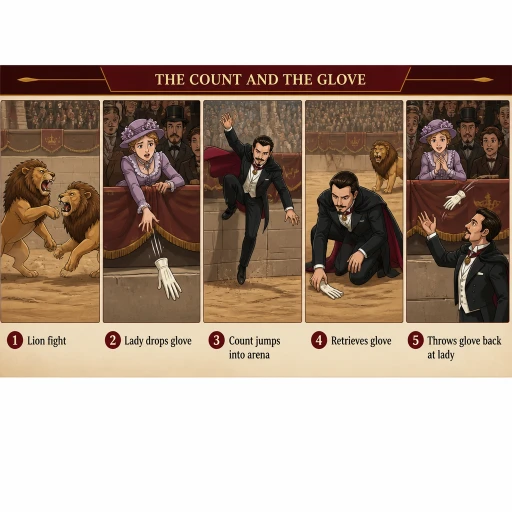
King Francis was a lively person who indulged in royal sport. He possessed lions. One day, the match among his lions was going on. The nobles took their alotted seats and the ladies busied themselves in displaying their pride. Among these gentlemen sat a person of strong built, Count de Lorge. The whole setup exuded royalty. It is called “gallant”. The place was containing the nobility with the king at the apex and the beastly lions in the arena.
The lions were fighting with full enthusiasm. They showed their dangerous nature. They roared, ramped, wallowed, attacked their opponents and dust filled the space. The king says that they are lucky to sit at a safe place from the lions.
This remark is heard by a beautiful lady. She gives a bright smile and her eyes sparkles. An idea comes to her mind-“ Let me test my lover’s love for me.” She calls everyone to see how his lover is going to retrieve the gloves which she is going to throw in the arena.
She drops the gloves and looks at her lover with a smile. The lover is Count de Lorge. . He simply bows in front of the lady and jumps in the pit to fetch the gloves. Due to his strong bodily foundation, the Count gets the gloves. He arrives successfully with the gloves without being a food of the lions. But what happens next? Guess.
The Count thinks this woman needs a good lesson. Let me put some sense in her. My actions and gestures will be enough for her.
He insults her by throwing the gloves to the lady’s face. He dares to this in front of the king. The king utters that vanity set the love to a task. But it is thwarted with a good and logical lesson. So, only vanity—not genuine love—would ask someone to risk life for such a meaningless test.
The Glove and the Lions
Line by Line Explanation
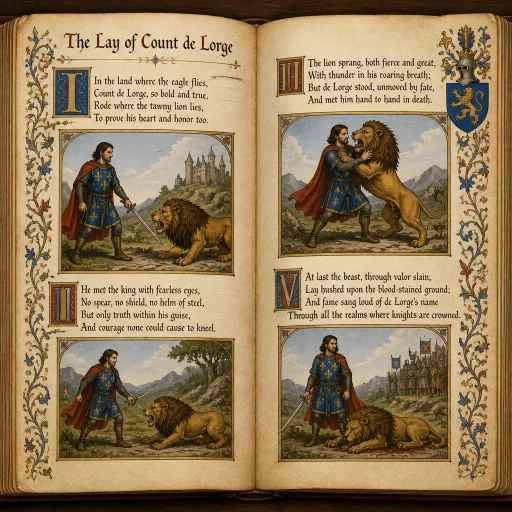
- King Francis was a hearty king, and loved a royal sport,
King Francis was a lively personality with a love for royal sports
- And one day as his lions fought, sat looking on the court;
His lions were fighting and he was looking on the court
- The nobles filled the benches, and the ladies in their pride,
The nobles who are his courtiers filled the spaces of sitting
- And ‘mongst them sat the Count de Lorge, with one for whom he sighed:
Count de Lorge also joined the nobility
- And truly ’twas a gallant thing to see that crowning show,
It was a gallant and royal show , depicting the luxury of the royalty
- Valour and love, and a king above, and the royal beasts below.
There was valour, love, with the king and his beasts below
7.Ramped and roared the lions, with horrid laughing jaws;
The lions roared and ramped with their horrifying jaws.
8.They bit, they glared, gave blows like beams, a wind went with their paws;
They were biting each other; gave blows like beams; and wind was rushing through their paws.
9.With wallowing might and stifled roar they rolled on one another;
They rolled on each other
10.Till all the pit with sand and mane was in a thunderous smother;
Their activities filled the empty space with sand
11.The bloody foam above the bars came whisking through the air;
The sand got mixed with blood and this led to bloody dust blowing across the space
12.Said Francis then, “Faith, gentlemen, we’re better here than there.”
Seeing this, King says that they are better at their safe place.
13. De Lorge’s love o’erheard the King, a beauteous lively dame
Te words of king are overheard by the lover of Count de Lorge
14. With smiling lips and sharp bright eyes, which always seemed the same;
She smiles with her sharp bright eyes and this was her habit
15. She thought, the Count my lover is brave as brave can be;
She knew about her lover’s courage nature
16. He surely would do wondrous things to show his love of me;
She expected him of doing gallant and inconsiderate or irrational activities for her.
17. King, ladies, lovers, all look on; the occasion is divine;
She hails all the people there to see a divine occasion
18. I’ll drop my glove, to prove his love; great glory will be mine.
She says that I will drop my glove to prove his love for me.
19. She dropped her glove, to prove his love, then looked at him and smiled;
She drops her glove and looks at the count
20. He bowed, and in a moment leaped among the lions wild:
He bows and jumps into the pit
21.The leap was quick, return was quick, he has regained his place,
The leap was very quick, the return was quick and the hero regained his original place
22. Then threw the glove, but not with love, right in the lady’s face.
He throws the glove right at the face of the lady which is considered a very non chivalrous way of treating a lady. The Count is a practical person
23. “By God!” said Francis, “rightly done!” and he rose from where he sat:
The king also swears at the daring reaction of the Count. He appreciates his bravery as well as his practicality.
24.”No love,” quoth he, “but vanity, sets love a task like that.”
He says love has been tested by vanity.
The Glove and the Lions Analysis|
Hunt’s The Glove and the Lions Critical Appreciation
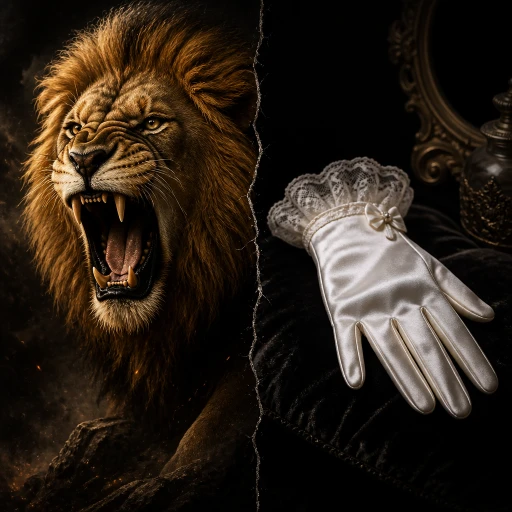
The Glove and the Lion is 24 lines poem written in iambic pentameter. There are four stanzas each containing six lines. The rhyming scheme is aa bb cc. The poem is a dramatic piece set in 15th France when King Francis I was ruling the land of French. The poem is about the test of love by unnecessary vanity. King Francis organizes a fight of terrifying lions and everybody joins to enjoy the match. Suddenly, an idea comes to a beautiful lady to test her lover, Count de Lorge by asking him to retrieve her glove from the deadly arena. She throws the glove in the pit and asks her lover to bring it for her so that she can boast about having such a qualified lover.
The poem is adequately entertaining. It has suspense, thrill, romance, vanity, courage, a royal setting, gentlemen and ladies and a courageous hero and a foolish heroine.
In stanza I, we are introduced to the setting of the poem. What is happening there and why is the event held. The king ruling France was King Francis I who loved lions fighting in the royal arena. The other courtiers are also invited to join him. Here, the readers are introduced to the hero of the poem, Count de Lorge, who is also participating in watching the show. It is totally a royal and exuberant setting with king, nobility and the lions. The visuals are feast to the eyes. So, the readers get the idea that they are going to read something related to royalty.
In the second stanza, we are introduced to the blood hungry beasts, the lions of King Francis. These lions are symbolic of the power of the king. Their fighting activities are described minutely to let the readers know that these beasts are heavily dangerous. Even the king is feeling blessed to sit at a safe place.
In the third stanza, we are introduced to the heroine of the poem. She is a”beauteous damsel” but with reckless brain. Sadly, the heroine is a foolish personality who hardly deserves a genuine person like the Count. She smiles and her eyes shines. This shows something foolish is going in her brain. She is illuminated with anidiotic idea. She grabs the attention of the people present there. Then, she asks them to see how her lover is going to retrieve the glove she has thrown in the pit containing the lions.
In the last stanza, there we find the resolution of this whole drama. There is a non-verbal communication between the hero and heroine. They communicate through their eyes. Count de Lorge takes the risk of getting the glove. He is confident and brave enough to do this task but certainly not an indiscreet man. The count embarks to teach a life lesson to the woman he loved. He throws the gloves straight to her face showing vanity is not love. The lady didn’t love him and just treated him as a trophy lover. The poem ends with king uttering how the vanity set the love with such an idiotic test.
What do you think is this poem about? How did you feel after reading such a dramatic piece? Certainly, the poem is adequately entertaining. It has suspense, thrill, romance, vanity, courage, a royal setting, gentlemen and ladies and a courageous hero and a foolish heroine.
Sometimes, external beauty is not enough to capture a good heart. The heroine who is beautiful lady fails to understand what is genuine love
Major Themes
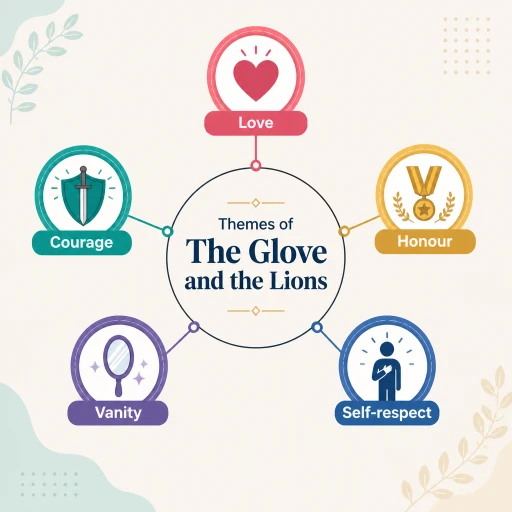
1. Love and Self-Respect
The Count proves his bravery but refuses to tolerate emotional manipulation. His self-respect is more valuable than blind obedience.
2. Vanity
The lady’s desire is not based on love but on showing off before others. Her pride ultimately humiliates her.
3. Courage
Count de Lorge demonstrates extraordinary courage by entering the lion pit.
4. Honour
The poem teaches that honour should never be sacrificed simply to satisfy another person’s ego.
5. Appearance vs Reality
The lady mistakes dangerous obedience for true love, while the Count understands that real love is based on respect rather than reckless displays.
Characters| The Glove and the Lions Character Analysis
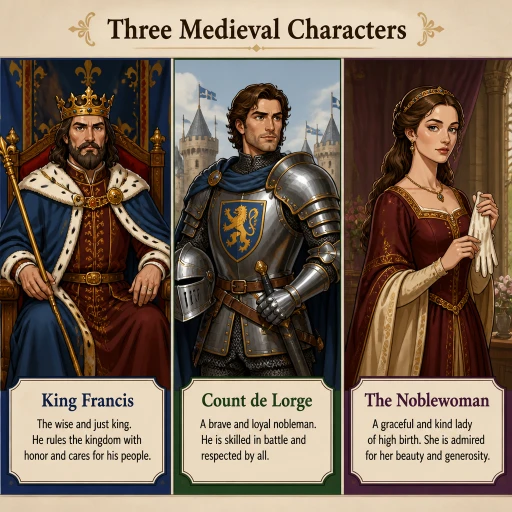
King Francis| Role of King Francis in The Glove and the Lions
- Good-hearted and observant.
- Loves royal sports.
- Recognizes the difference between genuine love and vanity.
- Delivers the poem’s moral lesson.
Count de Lorge| Character analysis of Count de Lorge in The Glove and the Lions
- Brave, fearless, and honourable.
- Risks his life without hesitation.
- Rejects manipulation and values self-respect.
The Lady
- Beautiful but proud.
- Wants public admiration.
- Uses her lover to satisfy her vanity.
Moral of the Poem The Glove and the Lion

The central message is:
True love never demands foolish or dangerous proofs. Love without respect becomes vanity.
The poem also teaches that:
- Self-respect is essential in love.
- Pride destroys genuine affection.
- Courage should be guided by wisdom, not by another person’s ego.
Literary Devices
- Ballad: The poem tells a complete story in verse.
- Imagery: The fierce descriptions of the lions create vivid mental pictures.
- Alliteration: Repetition of consonant sounds adds musical quality.
- Repetition: Emphasizes important actions and emotions.
- Irony: The Count proves his love yet rejects the lady because of her pride.
Symbolism
| Symbol | Meaning |
| Glove | The lady’s vanity and meaningless test of love |
| Lions | Danger, courage, and life’s risks |
| Arena | The public stage where pride and honour are displayed |
| Throwing back the glove | Rejection of manipulation and false love |
Tone
- Dramatic
- Suspenseful
- Heroic
- Satirical (towards vanity)
- Moralistic at the end
The Glove and the Lions
Title Significance

Leigh Hunt very cleverly assigns a symbolic title to the poem “The Glove and the lione”. The title puzzles the readers when they first read the poem. It makes you think what is the relation of the gloves with the lions. The poem is very dramatic like a play or a movie. The setting is 15 th century France and the place is the royal ground where king Francis I has held the match of lions. He used to entertain a love for beastly fights.
The Gloves belongs to the lady, who used love as pride, to test her beloved’s love for her. She was in superfluous love with Count de Lorge. She does a thing by throwing her gloves in the dangerous arena where lions were present. She asks her lover to fetch it for her. Count de Lorge is a strong , powerful and courageous person who teaches this woman a lesson by throwing the gloves straight to her face. He is saved from such a useless love- where he is asked to risk his life carelessly.
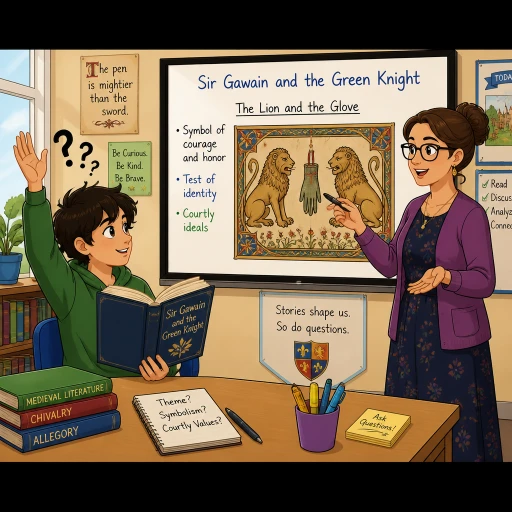
The gloves becomes symbolic of vanity and the irrational desire to test the love. The lions are symbolic of courage as well as danger. Count de Lorge can be compared to the lions as he shows braveness like the lions. So, even though the comparison is far-fetched but it strongly implies the connection to the lady and the count through symbolism.
The vanity is broken down by the courage shown by the count to shun such a useless love. The lady only wants to boast about her love affair. She wants to raise in ranke bove other ladies by putting her lover’s life in risk. She does not love him genuinely.
Count de Lorge also shows courage by throwing the glove straight on the face of the woman. He does this in front of the king which is a daunting act. During those times, people and nobles never acted with rashness. But here, the count’s reaction was reflexive. His anger was justified. Everything about their spineless love is revealed before the elite audience. Above all, the king is impressed to take the lesson and utters “but vanity, sets love a task like that.” The real loss is of the lady who lost the brave personality like the count.
Therefore, the title is also the story of a foolish lady and courageous count. The title is highly symbolic in nature. It is cleverly chosen to instruct and delight the readers.
Important Quotes
- “I’ll drop my glove, to prove his love.”
Shows the lady’s vanity and desire for public admiration. - “Then threw the glove, but not with love, right in the lady’s face.”
Reveals the Count’s rejection of manipulative love. - “No love… but vanity, sets love a task like that.”
The moral of the poem, spoken by King Francis. (Poem Analysis)
Exam-Oriented Points
Poet: Leigh Hunt
Poem Type: Narrative poem (Ballad)
Setting: King Francis’s royal court during a lion fight
Main Characters: King Francis, Count de Lorge, the Lady
Main Themes: Love, Vanity, Courage, Honour, Self-respect
Central Message: True love is based on trust and respect, not on dangerous tests or public displays of devotion.
This poem is especially important for examinations because it combines a simple narrative with a clear moral lesson, making it suitable for questions on theme, character analysis, symbolism, title significance, literary devices, and moral values.
FAQs The Glove and the Lions
1. What is the summary of The Glove and the Lions?
The Glove and the Lions is a narrative poem by Leigh Hunt about Count de Lorge, who risks his life to retrieve his lady’s glove from a pit of lions. After proving his courage, he throws the glove back at her, rejecting her vanity and teaching that true love should never require dangerous tests.
2. Who is the poet of The Glove and the Lions?
The poem The Glove and the Lions was written by Leigh Hunt, a renowned English Romantic poet, essayist, journalist, and literary critic.
3. What is the central theme of The Glove and the Lions?
The central theme of the poem is true love versus vanity. It also explores themes of courage, honour, self-respect, pride, and emotional manipulation.
4. Why did the lady drop her glove into the lion pit?
The lady deliberately dropped her glove into the lion pit to test Count de Lorge’s love and bravery. She wanted him to risk his life to prove his devotion before the royal court.
5. Why did Count de Lorge throw the glove back at the lady?
Count de Lorge threw the glove back at the lady because he realized that her demand was driven by vanity rather than genuine love. He refused to accept a relationship based on manipulation and public display.
6. What is the moral of The Glove and the Lions?
The poem teaches that true love is based on trust and mutual respect, not on dangerous or foolish tests of devotion. Self-respect should never be sacrificed to satisfy another person’s pride.
7. Who is King Francis in The Glove and the Lions?
King Francis is the ruler who watches the lion fight along with his courtiers. At the end of the poem, he praises Count de Lorge’s action and declares that only vanity would ask someone to risk life for such a trivial reason.
8. Who is Count de Lorge?
Count de Lorge is the brave knight and the hero of the poem. He fearlessly enters the lion pit to retrieve the glove but rejects the lady’s selfish test by throwing it back at her.
9. What does the glove symbolize in The Glove and the Lions?
The glove symbolizes the lady’s vanity, pride, and unnecessary test of love. It represents a trivial object that becomes the cause of a life-threatening challenge.
10. What do the lions symbolize in the poem?
The lions symbolize danger, courage, and the real risks that Count de Lorge faces. They also emphasize the contrast between genuine bravery and the lady’s foolish demand.
11. What type of poem is The Glove and the Lions?
The Glove and the Lions is a narrative poem (ballad) because it tells a complete story with characters, action, dialogue, and a clear moral lesson.
12. What literary devices are used in The Glove and the Lions?
The poem uses several literary devices, including:
- Imagery
- Alliteration
- Repetition
- Irony
- Symbolism
- Dialogue
These devices enhance the dramatic effect and reinforce the poem’s moral message.
13. What is the significance of the title The Glove and the Lions?
The title highlights the two central symbols of the poem: the glove, representing vanity, and the lions, representing danger and courage. Together, they emphasize the contrast between a trivial object and the life-threatening risk taken to retrieve it.
14. What message does Leigh Hunt convey through The Glove and the Lions?
Leigh Hunt conveys that love should never be measured by reckless acts or blind obedience. Genuine love requires respect, wisdom, and dignity rather than dramatic displays of devotion.
15. Why is The Glove and the Lions important for students?
The poem is important because it is frequently studied in English literature courses and examinations. It helps students understand themes such as love, honour, courage, and vanity while offering opportunities to analyze symbolism, literary devices, characterization, and moral values.
Bonus FAQ (SEO-Friendly)
Is The Glove and the Lions a true story?
The poem is based on a well-known historical anecdote associated with the court of King Francis I of France. Leigh Hunt adapted the story into a narrative poem to emphasize its moral lesson, though its historical accuracy is uncertain.
What is the main conflict in The Glove and the Lions?
The main conflict is between true love and vanity. Count de Lorge must decide whether to submit to his lady’s unreasonable demand or uphold his own honour and self-respect after proving his courage.