
Line-by-Line Explanations/ Summary in details
1. Bent double, like old beggars under sacks,
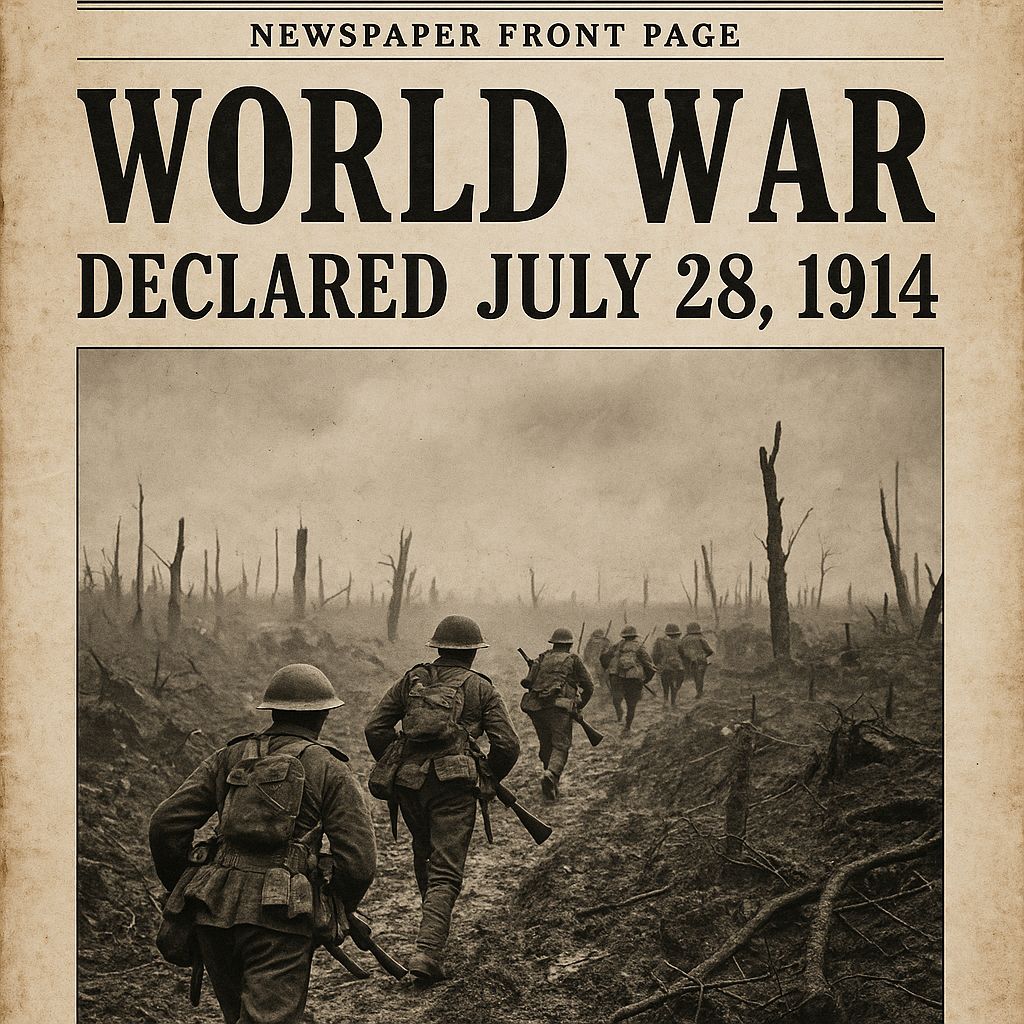
A group of soldiers were returning back to their shelters after a prolonged war. They seemed to be like beggars under sacks.
2. Knock-kneed, coughing like hags, we cursed through sludge.
The soldiers are walking improperly. Their knees were touching each other while walking. They were coughing like old women and they were cursing themselves for their condition while moving through the sludge i.e. mud.
3. Till on the haunting flares we turned our backs— 4. And towards our distant rest we began to trudge.
Ans: The soldiers were extremely tired but they were haunted by flares at their back. Still, they didn’t stop and were moving towards their distant rest i.e. bunkers with heavy and tired steps.
5. Men marched asleep. Many had lost their boots.
Many of them were marching asleep and they had lost their boots.
6. But limped on, blood-shod. All went lame; all blind;
(literally it means that soldiers were wearing shoes of blood) The feet was covered all over by blood and they were limping as well as they became blind.
7. Drunk with fatigue; deaf even to the hoots 8. Of tired, outstripped Five-Nines that dropped behind.
Ans: The soldiers were escaping at night from frontline. Their condition was so worst as it seemed that they had drunk fatigue. They were least bothered what was being dropped behind them by the enemies.
9. Gas! Gas! Quick boys! – An ecstasy of fumbling, 10. Fitting the clumsy helmets just in time;
A warning was given; ‘Gas! Gas! Quick boys!’. It was an attack of chlorine gas. They had to put upon their helmets. So they were energized not happy. Immediately in that group of demoralized soldiers an ecstasy of fumbling took place to put upon the clumsy helmets, because the helmets were not proper one to provide protection.
11. But still someone was yelling out and stumbling, 12. And flound’ring like a man in fire or lime…
During the gas attack someone was yelling and stumbling. The soldier who inhaled the gas was stumbling and struggling to stay upright. The word is often used to describe somebody who is struggling to stay afloat in the water, it ties in with the idea of the soldiers drowning in the poison gas. The person seemed to be burning in fire or lime.
13. Dim, through the misty panes and thick green light, 14. As under a green sea, I saw him drowning.
Ans: The chlorine gas almost filled up the whole area and it was night time, therefore it seemed like a green sea, where the poet saw the soldier drowning.
15. In all my dreams, before my helpless sight, 16. He plunges at me, guttering, choking, drowning.
The poet remembered the soldier in his dreams that how was the soldier plunging at him, guttering, choking and drowning and the poet was helpless.
17. If in some smothering dreams you too could pace 18. Behind the wagon that we flung him in,
The poet is making the readers imagine about his breathless dreams about the inhaled soldier. He was mentioning if you all could see the dream which he saw that how the other soldier flungs the half dead and inhaled soldier into the wagon that was carrying dead bodies behind them.
19. And watch the white eyes writhing in his face, 20. His hanging face, like a devil’s sick of sin;
And he watched the white eyes twisting in his face and his face became long. The devil would also think before doing this inhuman activity as committed by the foes. Devil would have felt such committing this sin.
21. If you could hear, at every jolt, the blood 22. Come gargling from the froth-corrupted lungs,
At every jolt of the wagon the blood came out gargling from the infected lungs.
23. Obscene as cancer, bitter as the cud 24. Of vile, incurable sores on innocent tongues,
The tongue was covered with sores from which bitter cud was coming out. The young innocent tongue meant that the soldiers were young highschool boys.
25. My friend, you would not tell with such high zest, 26. To children ardent for some desperate glory,
After knowing the reality of war, the poet is telling the people readers that you would not tell with a high zeal to the children sitting in front of you to listen about the glorious victory of the soldiers.
27. The old Lie; Dulce et Decorum Est 28. Pro patria mori.
The old lie that it is sweet and right to die for one’s own country.
ANALYSIS
In the first stanza, Owen sets the scene. The soldiers are trudging wearily back to camp where they may get a brief rest from the horrors of the front line. The soldiers, although they are young are ‘Bent double like old beggars under sacks’, ‘Knock-kneed, coughing like hags’. This image is in sharp contrast to what many people at the time would have associated with fighting people. There is no glamour or glory in Owen’s description: some soldiers are barefoot, all are exhausted and lame as they stumbled towards their ‘distant rest’. Behind them, shells fall, but the men are deaf to the sound, so focused are they on getting to the camp.
The broad vowel sounds and the alliteration ensure that the pace of the first stanza is slow, reflecting the pace of the weary men who are ‘Drunk with fatigue’.
In the first stanza, Owen tells us that ‘men marched asleep’. In the second stanza they are awaken, but it is to a living nightmare. The soldiers are attacked with poison gas and they suddenly spring into action. The capital letters and the exclamation marks add to the sense of urgency: ‘Gas! Gas!’. The use of internal rhyme ‘fumbling’, ‘clumsy’ and ‘stumbling’ focuses our attention on the men’s awkward movement. In their desperate haste to put on the gas masks, the men are clumsy. In this ‘ecstasy of fumbling’ one soldier does not get his mask on time. Helplessly, Owen watches as the man stumbles and chokes on the poison gas. Owen is watching through the glass eyepiece of his own mask, and it appears to him as the other man is drowning ‘under a green sea’. This simile, in which Owen compares the clouds of green gas to a green sea, is a powerful one. It adds a sense of unreality to the scene, almost as if Owen momentarily cannot take in the reality of what he is seeing. A man is dying in front of his eyes and he can do nothing but watch.
The third stanza is of only two lines but it is no less powerful for that. The dream like, unreal quality of last stanza is continued here when Owen tells us that his dream are haunted by the image of the dying man he could not save.
The imagery in the fourth stanza is chilling and horrific. The dying man is ‘flung’ into a wagon as he can no longer walk. The word ‘flung’ shows how cheap life has become and how there is no dignity afforded to the dying. This is understandable, of course, as the soldiers can do next to nothing to help their comrades. He is just another victim of the senseless waste of life that marked World War One. There is little time for compassion.
As Owen paces behind the wagon he sees the soldier death throes. The man is writhing in agony, and every jolt of the wagon brings blood bubbling up from his ruined lungs.
Owen addresses the reader directly in this stanza, saying that if those readers who read his words could see the appalling reality of war, they would not be so quick to tell children, ‘the old lie’ that dying for your country is a sweet and noble end. There is nothing sweet or right about a man choking slowly to death in the back of a wagon.
Questions and Answers
1. What is some background information on the poet who wrote “Dulce et Decorum Est”?
Ans 1: Wilfred Edward Walter Owen was one of the famous war poets during First World War. His poems basically comprises of anti-war feelings which are in sharp contrast to that of Rupert Brooke’s patriotic poems. Being a war poet he is a poet first and then a soldier. Owen had written the reality of warfares, its horrors and satirised generals, politicians and others who sang the glory of war. At frontline, the condition of soldiers worsened horribly to such extent that they became disfigured. They became unconscious, terribly exhausted and totally broken due to hazardous warfare. They were totally devoid of any hope for their life. Thus, Owen being a part of the war himself portrayed its reality on the pages of poetry to convey his message directly to the mass. Therefore Wilfred Owen did a tremendous job in creating awareness making it an important background information of himself.
2. What is the “The Old Lie” in Dulce et Decorum Est? Why is the accusation important?
Ans 2: “Dulce et Decorum Est” written by Wilfred Owen is one of Owen’s best work of war poems category. The ‘Old Lie’ mentioned in the poem is “Dulce et Decorum Est Pro Patria Mori” which means It is sweet and right to die for one’s own country.
The accusation is importance as a matter of fact that the poet had written against the war which had a traumatising effect on the all the soldiers as well as on their family. In total all the countries who participated in the war were under hazardous mental and physical condition. Whoever win or loss, destruction occurs on both the sides which requires enough time to get repaired. After mentioning about the conditions of the soldiers on the frontline which was as deadly as it could be tolerated, the poet wanted to prove that it is not right to waste life and property as anything in the war.
3. How does Wilfred Owen give voice to experiences of WWI?
Ans 3: “Dulce et Decorum Est” by Wilfred Owen is an anti-war poem that deals with the horror caused due to war, the agony caused and the tremendous traumatising effect of war on mankind. First the poet mentions about the condition of soldiers which damaged the soldiers health to such an extent that they became disfigured and were unable to be recognized properly. In First World War chlorine gas attack was used to attack the enemies. Chlorine is a green colour pungent smelling gas that can choke one person to death. Unfortunately one of the soldier inhaled the gas and he was stumbling and struggling to get out off the misfortune. But it was impossible for the soldier life to get spared. The narrator was present at the moment where the infected soldier was plungung, guttering and choking before him to get or save his life. But the narrator as well as the other soldiers were helpless to help the unfortunate soldier. The mankind became so weak that the half-dead soldier was flung into the wagon carrying dead bodies behind the soldiers.
4. How is death presented in the poem?
Ans 4: Everyone in this world fears death but we are born to die, is one of the immortal truth of the life. But death can be either in good form or in bad form even to the worst of its kind which cannot be imagined by anyone. Similarly Owen had made an approach to describe the death in its worst form. During the First World War the two most powerful opponents—Axis and Allied were aggressively fighting through war for sole control over the world.
But the main victims were the civilians who send their young boys in the war, the innocent ones as well as the matured men. Whatever the age may be death do not knows mercy. The soldiers were made deaf, blind, lame, blood-shod and disfigured and finally death welcomed them. They were not even buried or in proper terms funeral was not provided to them. They were left on the battlefield to get rotten. Even half-dead soldiers were thrown into the wagon of which example could be taken of the infected soldier with chlorine gas. How mercilessly he was flung into the wagon behind them! After knowing the situation on the front line Owen challenges very peacefully to the readers that you would not tell with high zeal before the kids sitting in front of you the old lie Dulce et Decorum Est Pro Patria Mori.
5. Discuss “Dulce et Decorum Est” as an anti-war poem. (Note: Question listed in the prompt page but left unaddressed or incorporated directly across Answers 2, 3, and 6).
6. How are change and transformation presented in “Dulce et Decorum Est” by Wilfred Owen?
Ans 6: Regarding changes and transformation through this poem actually the poet is talking about the worthless glory for dying for one own country in the worthless war. It is a traditional ethic that dying for one’s own country brings honour to the person as well as to the motherland for which he lays down his own life. But Owen rejects this traditional ethos and mentions his views that it was worthless to waste the life for such a thing would bring no value at last to anyone. Thus, changes and transformations are presented in Owen’s poetry.
7. How is the imagery used to present the conflict in the poem “Dulce et Decorum Est”?
Ans 7: “Dulce et Decorum Est” by Wilfred Owen is a war poem focusses on the horror of warfare which had a traumatising effect on mankind.
The poet had used several images to figure out and convey the reality of war. First he had mentioned about the soldiers who had bent double through the imagery use of beggars carrying sacks. Then he had mentioned the image of hags to compare the soldiers regarding the traumatising condition. The image of soldiers limping, getting blind, deaf and blood-shod as if they had drunk fatigue is a remarkable explanation of shattered soldiers, as committed to them by enemies.
Again old poet had mentioned image of an infected soldier who had inhaled chlorine gas and whose survival became impossible. Thus, overall the poet Owen had used vivid images to describe the conflict in the poem Dulce et Decorum Est.
8. In the poem ‘Dulce et Decorum Est’ explain the term ‘blood-shod.’ (Note: Question listed in the prompt page but addressed in line 6 annotation as: “literally it means that soldiers were wearing shoes of blood. The feet was covered all over by blood and they were limping…”).