
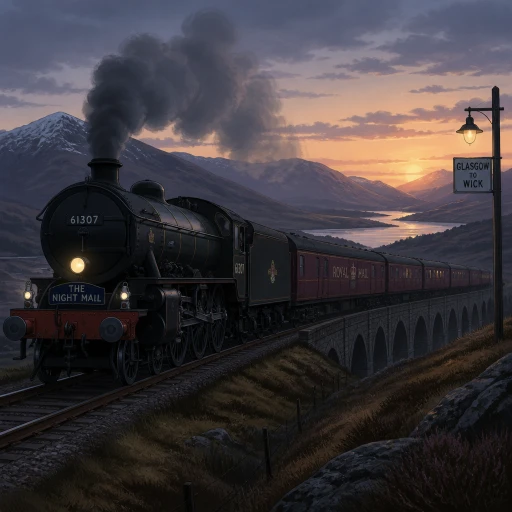
The Night Mail by W. H. Auden
Question 1: what does the night mail bring?
Question 2: To whom are there later addressed to?
Question 3 : What are the different colors of paper used to write letters?
Question 4 : What are the nature of the letters brought by the night mail?
Question 5: why do you think the night mail was a messenger to the people who lived in different areas of England and Scotland?
Question 6: Describe the journey of the train.
Question 7: how does the poet give a universal appeal to the train?
Read the full study guide here
Answer starts below:
Answer 1: The night mail brings cheques and postal orders and also different types of letters for the people in England and Scotland.
Answer 2: The letters are addressed to the rich, poor, the shop at the corner, and the girl next door.
Answer 3: The different colours of paper used to write letters are pink, violet, white and blue.
Back To Top
Answer 4: The nature of these letters are chatting, the catty, boring, adoring, cold, official, heart outpouring, clever, stupid, short, long, typed, printed and spelt all wrong.
Back To Top
Answer 5: The poem “Night Mail” by WH Auden was written in an era when the system of communication was not highly developed, yet the steam engine was found. The people of that time communicated mostly through letters. So the night name was regarded as the messenger that binds the people who lived in different areas of England and Scotland.
Answer 6: the poet WH Auden has captured nicely with his creative poetic language, how the train moves smoothly, nicely across English landscapes from England to Scotland. On the way of his journey, the train passes the hilly terrain, countryside, and industrial cities too.
Answer 7: The poet W H Auden gives a universal appeal to the train Night Mail by telling that it brings letters for rich and the poor both.
Back To Top
keywords:london rail,London railway
20 Multiple Choice Questions (MCQs)
1. Who is the poet of The Night Mail?
A. Robert Frost
B. W. H. Auden ✅
C. William Wordsworth
D. John Keats
2. The Night Mail travels mainly towards
A. England
B. Ireland
C. Scotland ✅
D. Wales
3. The Night Mail carries
A. Passengers only
B. Goods only
C. Letters and parcels ✅
D. Animals
4. The train climbs
A. Mountains
B. Beattock Summit ✅
C. Ben Nevis
D. Snowdon
5. The train does not stop because
A. It is late
B. It is carrying important mail ✅
C. The driver is in a hurry
D. There are no stations
6. Who waits eagerly for the Night Mail?
A. Only businessmen
B. Only children
C. All Scotland ✅
D. Only soldiers
7. Which of the following letters is NOT mentioned?
A. Love letters
B. Bank letters
C. Job applications
D. Examination admit cards ✅
8. “Timid lovers’ declarations” refers to
A. Wedding invitations
B. Love letters ✅
C. Business proposals
D. Official notices
9. The letters come from
A. Only Scotland
B. Only England
C. Different parts of the world ✅
D. Only France
10. “Holiday snaps” means
A. Holiday tickets
B. Holiday photographs ✅
C. Holiday expenses
D. Holiday plans
11. The phrase “the heart’s outpouring” refers to
A. Official notices
B. Emotional expressions ✅
C. Financial statements
D. Legal documents
12. Which literary device is mainly used in listing different kinds of letters?
A. Irony
B. Enumeration ✅
C. Oxymoron
D. Pun
13. Thousands of people are
A. Travelling
B. Working
C. Sleeping ✅
D. Singing
14. People dream of
A. Flying
B. Monsters and pleasant moments ✅
C. Winning prizes
D. Adventures
15. Which Scottish city is described as “granite”?
A. Glasgow
B. Edinburgh
C. Aberdeen ✅
D. Dundee
16. The postman’s knock brings
A. Fear
B. Excitement and hope ✅
C. Anger
D. Disappointment
17. The poem mainly celebrates
A. Air travel
B. Modern communication ✅
C. Industrialization
D. Farming
18. The tone of the poem is
A. Humorous
B. Patriotic and affectionate ✅
C. Tragic
D. Satirical
19. The final line suggests that everyone wishes to
A. Become famous
B. Travel abroad
C. Feel remembered and loved ✅
D. Earn more money
20. The central theme of the poem is
A. War
B. Friendship
C. The importance of communication and human relationships ✅
D. Adventure
Reference to the Context (Treasure Chest Workbook Style)
Reference to the Context – 1
“This is the Night Mail crossing the Border,
Bringing the cheque and the postal order.”
Questions
a. Which train is referred to in these lines?
Answer:
The train referred to is the Night Mail, a special mail train that carries letters, parcels, cheques, postal orders, and other important mail from London to Scotland during the night. It plays a vital role in connecting people across different regions.
b. What is the train carrying?
Answer:
The train carries various kinds of mail, including cheques, postal orders, personal letters, business correspondence, official documents, parcels, invitations, bills, and many other important items. It serves both individuals and businesses by ensuring timely communication.
c. Why is the Night Mail important?
Answer:
The Night Mail is important because it connects people living far apart by delivering letters and parcels. It carries news, love, sympathy, business information, and personal messages, helping maintain relationships and communication throughout the country.
d. What literary device is used in these lines?
Answer:
The poet uses Personification by presenting the Night Mail as an active and purposeful traveller. The rhythmic sound pattern of the lines also imitates the movement of the train.
e. What is the tone of these lines?
Answer:
The tone is energetic, admiring, and optimistic. The poet celebrates the Night Mail as an efficient and dependable service that benefits the entire nation.
Reference to the Context – 2
“For who can bear to feel himself forgotten?”
Questions
a. Who speaks these words?
Answer:
These are the concluding words of the poet, W. H. Auden. They express a universal truth about human emotions rather than the thoughts of a particular character.
b. Why do people eagerly wait for letters?
Answer:
People eagerly wait for letters because they wish to receive news from their loved ones, friends, relatives, or business associates. A letter reassures them that they are remembered, cared for, and connected to others despite physical distance.
c. Explain the significance of the postman’s knock.
Answer:
The postman’s knock symbolizes hope, excitement, and anticipation. It may bring good news, expressions of love, invitations, sympathy, or important information. Every knock creates emotional excitement because it represents communication and human connection.
d. What central idea is conveyed through these lines?
Answer:
These lines convey that every human being desires love, recognition, and remembrance. Feeling forgotten causes loneliness, while receiving letters strengthens emotional bonds and creates a sense of belonging.
e. Why do these lines form a suitable conclusion to the poem?
Answer:
These lines summarize the poem’s message beautifully. After describing the train’s journey and the many different kinds of letters it carries, the poet concludes by emphasizing that letters fulfil a basic human need—the desire to remain connected with others. The ending is thoughtful, emotional, and memorable.
Reference to the Context – 3
“All Scotland waits for her.”
Questions
a. Who is referred to as “her”?
Answer:
The pronoun “her” refers to the Night Mail train. The poet personifies the train by referring to it as a woman, suggesting affection, reliability, and importance.
b. Why is all Scotland waiting?
Answer:
People across Scotland are waiting because the Night Mail carries letters containing important personal, business, financial, and emotional messages. They eagerly expect news from family, friends, employers, and loved ones.
c. Mention four different kinds of letters carried by the train.
Answer:
The train carries:
- Letters of thanks.
- Bank letters.
- Love letters.
- Job applications.
It also carries invitations, bills, condolence letters, holiday photographs, and family correspondence.
d. What literary device is used in these lines?
Answer:
The poet uses Personification, referring to the train as “her.” He also uses Enumeration in the following lines by listing numerous types of letters to emphasize the train’s importance.
e. What does this passage reveal about the Night Mail?
Answer:
It reveals that the Night Mail is much more than a train. It is a lifeline connecting people across Scotland, carrying their hopes, emotions, business matters, and personal relationships.
Reference to the Context – 4
“Letters of thanks, letters from banks,
Letters of joy from girl and boy.”
Questions
a. What is the poet emphasizing through this list?
Answer:
The poet emphasizes the great variety of letters carried by the Night Mail. These letters represent every aspect of human life, including gratitude, business, happiness, family relationships, and personal communication.
b. What do these letters reveal about society?
Answer:
The letters show that people from every age, profession, and social background depend on the postal service. Communication is essential for maintaining relationships, conducting business, and sharing emotions.
c. Which literary device is prominently used here?
Answer:
The main literary device is Enumeration (Cataloguing), where the poet lists many different kinds of letters to highlight the wide range of services provided by the Night Mail.
d. Why are the letters important?
Answer:
Each letter carries meaningful information or emotions. Whether it is a business letter, a thank-you note, or a joyful message, every letter has significance for its recipient and strengthens human relationships.
e. What theme do these lines support?
Answer:
These lines support the theme of communication, human connection, and the importance of the postal service in everyday life.
Reference to the Context – 5
“Thousands are still asleep…
And none will hear the postman’s knock
Without a quickening of the heart.”
Questions
a. Who are “thousands” in these lines?
Answer:
The “thousands” refer to the people living across Scotland in cities such as Glasgow, Edinburgh, and Aberdeen, as well as those in villages and remote areas. They are asleep while the Night Mail continues its journey, carrying letters that will soon reach them.
b. Why does the postman’s knock make people’s hearts beat faster?
Answer:
The postman’s knock fills people with excitement because it may bring good news, letters from loved ones, business opportunities, invitations, photographs, or messages of affection. The anticipation of receiving a letter creates emotional excitement and hope.
c. What human emotion is highlighted in these lines?
Answer:
The poet highlights the universal human desire to be remembered, loved, and connected with others. Receiving a letter reassures people that they are important to someone, while the absence of communication can create feelings of loneliness.
d. What message does the poet convey through these lines?
Answer:
The poet conveys that communication is an essential part of human life. Letters are not merely written documents; they carry emotions, relationships, memories, and hope. They strengthen the bonds between people, regardless of distance.
e. How do these lines contribute to the central theme of the poem?
Answer:
These lines reinforce the poem’s central theme that communication keeps people emotionally connected. The excitement associated with the postman’s knock shows that every letter has the power to bring joy, comfort, reassurance, or important news. The poet concludes by reminding readers that no one wishes to feel forgotten, making the ending both emotional and universal.