
Introduction: Vasantasena as the Heroine of Mrichchhakatika
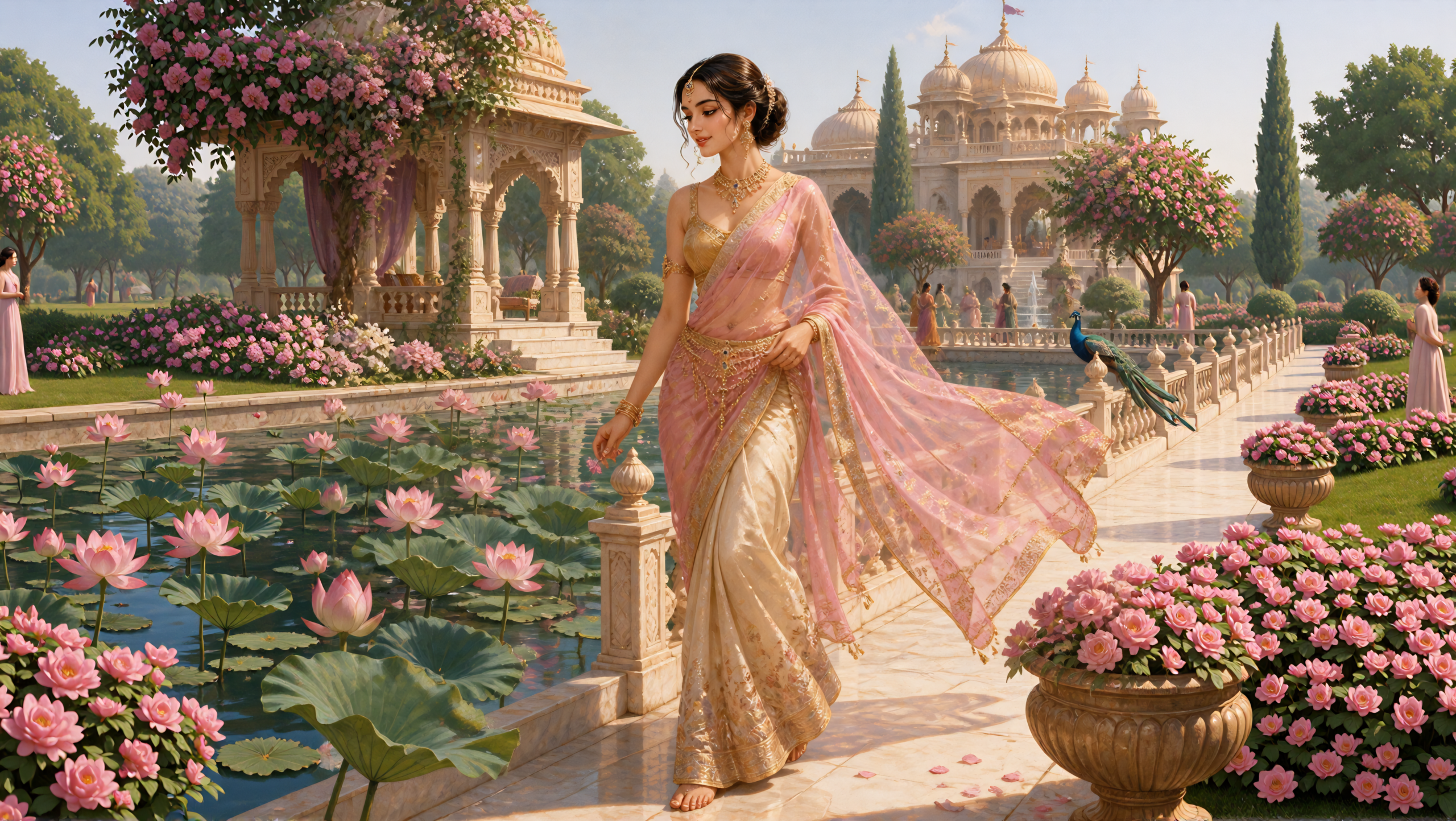
Vasantasena is one of the most prominent characters found in Indian classical drama. Sudraka’s Mrichchhakatika is a realistic presentation of characters in a unique story of love, loss and desire. The playwright goes beyond the usual conventions followed by traditional Indian dramatist. His originality of vision and capability is seen in his presentation of the central female character Vasantasena.
Social Position and Identity as a Courtesan|Economic Independence and Social Limitations
Vasantasena does not fit into the traditional structure of women as daughters, wives or mothers. She is a unique paradox. She is on one hand, an object of desire, and on the other hand, an independent person who believes in freedom of choice. Vasantasena enjoys economic power, much unlike the usual woman figure portrayed in theatre of those times. However, she lacks social rights because she is a courtesan. Ironically, despite her economic independence, she does not have the privilege which married women without any independence enjoys. However, what makes Vasantasena an admirable character is the fact that she does not submit to society without a fight.
Vasantasena: A Unique Nayika in Sanskrit Drama
In the context of the play Mrichchhakatika, it is important to understand Vasantasena’s profession. A courtesan, in ancientIndian society, was not just a prostitute or mistress. A courtesan was a source of companionship for the aristocratic man. She was well-versed in the sixty-four kalas, or fine arts including music and dance. She had access to wealth and even reverence. However, what she did not have was access to a private life. A courtesan was like a celebrated public property who was given recognition for her service but was denied any personal inclusion within the private world of domesticity.
Vasantasena’s Love for Charudatta| From Ganika to Kulavadhu: A Journey of Transformation|The Symbolism of the Clay Cart Episode
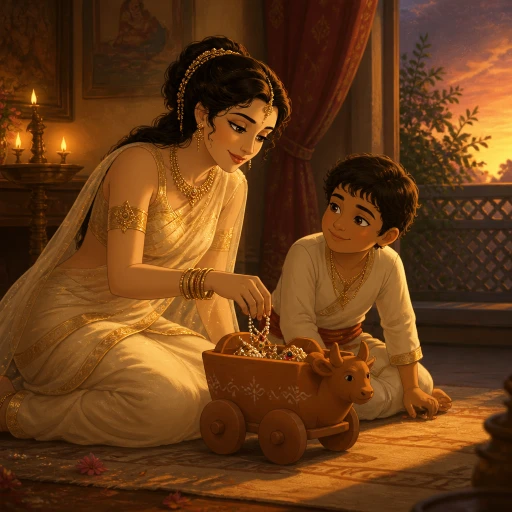
Vasantasena’s love for Charudatta and the culmination of this love into marriage is the main theme of the play. And in the process, she is elevated from the status of ganika to that of kulavadhu. Her desire to achieve this status is symbolized through the episodes involving the clay cart, the object wherefrom the title of the play is derived. When a weeping Rohasena refuses to accept Vasantasena as his mother, the latter realizes the shortcoming in becoming worthy of the place she desires to achieve. She realizes it is her ornaments, the vehicle for her superficial glamour that does not go well with Charudatta’s value system which is marked with simplicity and genuineness. This realization makes her weep and she begins to take off all her ornaments and put them on clay cart. Thus, much before she was socially and officially elevated to the highest standard of womanhood, she had already that status internally.
Vasantasena’s Intelligence and Presence of Mind|Sense of Humour and Emotional Maturity|Compassion and Kindness Towards Others|Vasantasena’s Relationship with Madanika
There is one aspect of her character where she definitely outdoes her paramour, and it is her intellectual agility which gives her superb presence of mind. She deposits her ornaments to Charudatta to leave an excuse for visiting his house once again. Her sense of humour is equally impressive. When Maitreya says that Charudatta lost his ornaments at gambling, she can’t help humorously calling him “a gambler”. A sober and subtle character, she does not let Madanika know that she heard her conversation with Sarvilaka unnoticed. Earlier in the play, despite having the opportunity, she did not enter the restricted inside of Charudatta’s house. Her friendly attitude to Madanika tells of her humbleness which knows to appreciate quality even in a maid servant. This acknowledgement of human quality is reflected in her leaving Madanika free from her servitude.
Brave heroine
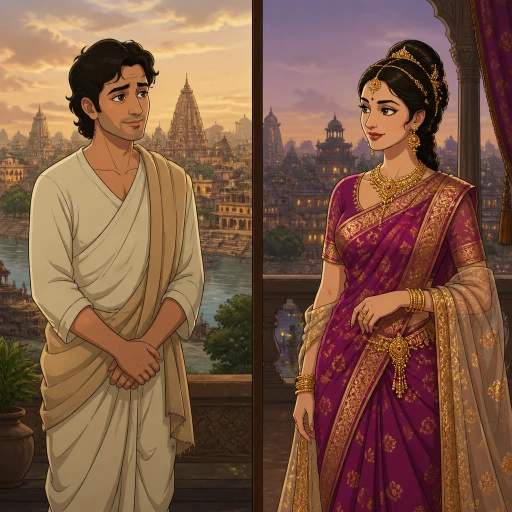
Vasantasena is not a fragil and docile woman of beauty. She rejects the role of damsel-in-distress long before the modern day plays. She is an empowered, confident and brave woman who saves Charudatta when none dare to step forward. She enters the trial room and becomes a strong evidence of Charudatta’s innocence. She is terribly in love and knows no boundaries when it comes to save her lover.
Conclusion
Vasantasena represents the modern-day woman in a traditional society with an identity of her own. She has choices and acts on them without considering the society. Being a courtesan, she is denied the dignity of a woman as a wife and beloved. However, she ventures to fall in love with Charudatta and fights for his life. She chooses the man of her own dreams. She is daring, confident, wealthy but humble and loving. She renounces her jewellery for the greatest happiness of humble life and love. She has dual personality-first, that of a beautiful and enchanting woman and second that of a courageous heroine who stands for the truth.
FAQs
Who is Vasantasena in Mrichchhakatika?
Vasantasena is the heroine of Sudraka’s Mrichchhakatika, a wealthy and cultured courtesan who falls in love with the noble Charudatta.
Why is Vasantasena considered a unique Nayika?
Unlike conventional heroines, Vasantasena is economically independent, intelligent, and capable of making her own choices while challenging social restrictions.
What does Vasantasena symbolize in the play?
She symbolizes love, freedom, inner nobility, and the desire to transcend social barriers through virtue and genuine human relationships.
How does Vasantasena transform in Mrichchhakatika?
Through her love for Charudatta, she evolves from a celebrated courtesan (Ganika) to an ideal housewife (Kulavadhu), both emotionally and socially.
What role does the Clay Cart play in Vasantasena’s character development?
The Clay Cart symbolizes her willingness to renounce wealth and glamour for love, simplicity, domesticity, and moral fulfillment.