
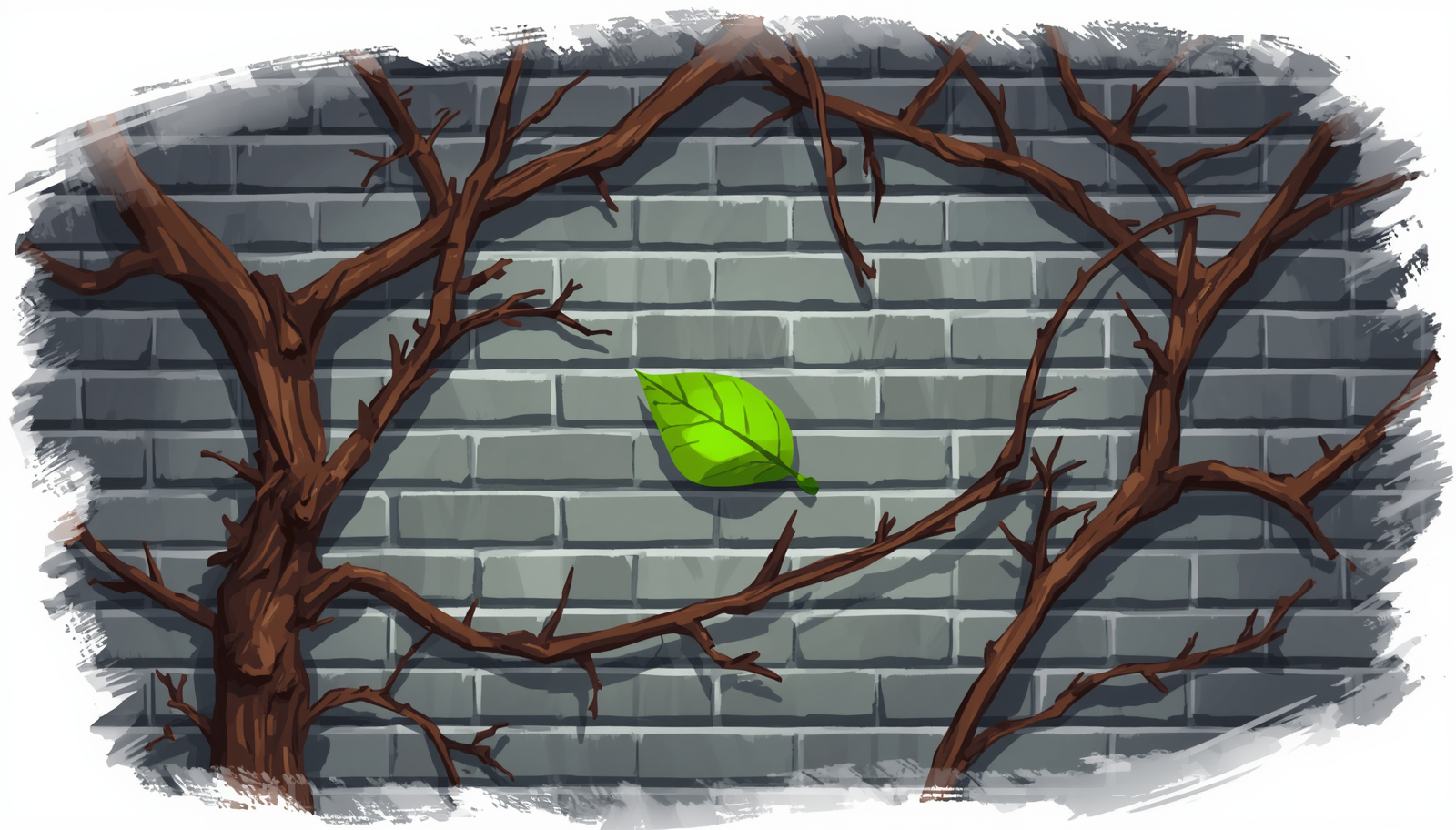
The Last Leaf is a Story on the theme of friendship and self sacrifice. Discuss on it with reference to the story.
Friendship is very precious relationship; which has been very nicely demonstrated by O. Henry in the story “The last leaf”. Sue and Johnsy are the main characters; who met each other only 6 months before at table D’hote of an Eight Street, Delmonicos. Sue was from Maine and Johnsy was from California. They shared common test in art, food and fashion; which resulted in a joint studio. Both of them were striving artist.
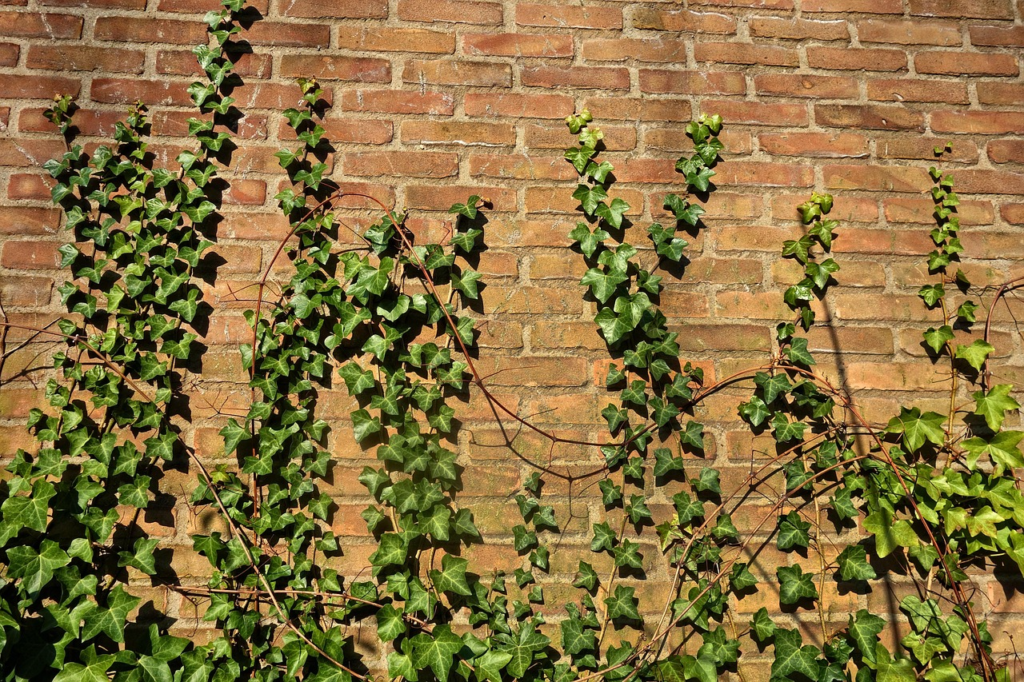
On a day Johnsy fell sick. She was suffering from pneumonia and Sue was performing the duty of Johnny’s caretaker. The doctor told Sue that her dear friend had made up her mind for not going to live anymore. Sue got trouble with the statement of doctor; still she had hope in her heart for her friend . After dealing with the doctor., Sue went immediately to Mr Behrman; who used to live down floor of that apartment. Mr Behrman was a man of 60 with body of an imp and beard like Michael Angelo. He was painter by profession but didn’t draw a single line for forty years. He always used to boast about his upcoming master piece.
Sue begged for help from him and told him about Johnny’s fancy. Actually, Johnsy made up her mind that when the last ivy vine leaf will fall from the tree then she will also leave the world sailing like the leaf. At first Mr. Behrman condemned the silly fancy of Johnsy but later he accepted to help Sue. For several days thunderstorm accompanied with sleet was going on. The weather condition was not good.
And now there was only one leaf present on that tree. Sue was ordered to remove the window shade by Johnsy. She was surprised to find the leaf still on the tree which was green in color and fresh.
Johnsy soon realizes her mistake and regrets herself as a bad girl. Doctor told Sue that better nourishment will improve Johnsy health. He also informed her about Mr. Behrman who died of cold and pneumonia last night in the heavy rain. Sue immediately figures out the total situation and tells Johnsy about Behrman. The last ivy vine leaf on the tree was Mr Behrman’s masterpiece. He sacrificed his life for Johnsy.
Critically comment on how Love Concern Humanity And Trust are the Eccentric Features of Mankind with reference to the short story “The Last Leaf”
Love Concern Humanity And Trust are the Eccentric Features of Mankind . Quoting examples from chapters : “The Last Leaf”, Journey by Night”, and “God Lives in Panch”, Justify the statement .
The main element which makes us differ from the rest are the qualities we possess.” Human nature is something which cannot be taught but which is self-existent. We, having an upper hand in the eco system, have something which other creatures lack. It is that object of our conscience which makes us good. Saying simply good is not enough because we are much more than being good. It is this positive quality in us, which makes us good.
“The last leaf” by O Henry tells us the tale about unconditional concern which is not bounded by relationship but out of sheer care for one another. It is not only those people who are bounded by relationship care for one another but also those people who understand are not bounded but yet understand the pain of another. This chapter has taught us that even a stranger can try with his/her whole heart to reduce the pain of another. It is that love which has no conditions to be kept. This story has shown us how we receive unexpected gratitude by even keeping lives at stake.
‘Journey by night’ by Norah Burke is something which each and every person should read because it will restore your will to do each and everything until it is done. Bravery is bestowed in this story and it is something to learn because, when a little boy can do it for his sibling then why can’t we? The determination and perseverance seen is very astounding and shows everyone what bravery looks like. It also tells us unimaginable love which he has for his brother.
‘God lives in Panch’ by none other than Munshi Prem Chand is one of the most exalting stories we have ever read because it has taught us to turn down our ego and it has lived by the saying “An eye for an eye will make the whole world blind” because revenge never taught us to be good but it made us more sinful. The tale of two best friend who are caught up in situations and deciding what is just for one another makes them archenemies but the protagonist does something which is barely seen in today’s time. He does not let the spirit of revenge come his way and does good to his best friend. Don’t you think this is what life is all about? To forget the un just things done to you, to shower love upon others and breaking the link which makes friends frown and become enemies. In this fast pace of life, we forget to do little things to our loved ones because we are too caught up in ourselves. Man should know that money is not the true treasure to seek, it is nothing but man made paper which doesn’t last a life time, love is the bounty which will never go empty. Each and every person should be known by his/her qualities which are already built in him, irrespective of the fact whether he know it or not. These qualities are those instincts which makes him a good person, even though he’s been an alternate person in the past. The worlds disparities, bad experiences and bad influences shun those good qualities which we possess. I think it is high time that we should try to be those persons who we used to be.
Mankind wouldn’t have survived if he would not have those eccentric features. Even tongue less creatures have those powerful elements in them which makes them naïve and beautiful. Harmony will be attained only when we learn to be humble.
Reference to the Context
Question a. Who is the first speaker in the extract? What kind of a man is he?
Answer a. The first speaker in the given extract is the doctor. The doctor was skeptical about his curative powers because he felt it is very difficult to treat sinking patients who have lost all hope of survival.
Question b. Who is the ‘little lady’ referred to in the extract? What is she suffering from?
Answer b. The little lady referred to is Johnsy. She was suffering from pneumonia, which was epidemic in the country.
Question c. What chances does this ‘little lady’ have of recovering? Why?
Answer c. According to the doctor, the chances of survival for Johnsy were very slim. She was not only suffering from deadly pneumonia but was also hovering around the borderline of pessimism.
Question d. What does Sue reply to the first speaker’s last question in the extract? What does this tell us about her attitude towards men?
Answer d. Sue was taken aback when the doctor suggested that perhaps a love affair might affect Johnsy’s will to live. Sue and Johnsy, being close friends, had never harboured any thoughts regarding a romantic relationship in their lives.
Question e. What does the ‘little lady’ actually have on her mind?
Answer e. The little lady had lost all hope of survival and had unconsciously surrendered herself to thoughts of death.
Question f. What does the first speaker assure Sue before he leaves?
Answer f. The doctor assures Sue that Johnsy can survive only if she can overcome her desire to give up on life and stop courting death.
2. “Johnsy’s eyes were open wide…….What was there to count?”
Question a. Who are Johnsy and Sue? When and where did the two first meet?
Answer a. Johnsy and Sue are two young artists who share an apartment. They first met six months ago at a restaurant table at Delmonico’s in New York City.
Question b. What made the two girls start a joint studio?
Answer b. Their common tastes and interests in art, chicory salad, and bishop sleeves encouraged them to start their own studio.
Question c. What was Johnsy looking at outside the window? What was she counting?
Answer c. Johnsy was looking at the ivy vine growing on the wall of the opposite brick house. She was counting the leaves that were falling from it.
Question d. What had Sue been doing a little before?
Answer d. Sue had been sketching the figure of an Idaho cowboy wearing elegant horse-show riding trousers and a monocle.
Question e. What strange fancy had Johnsy taken?
Answer e. Johnsy had developed the strange belief that when the last leaf of the ivy vine fell, her own life would also come to an end.
Question f. What does Sue tell Johnsy about the doctor’s opinion regarding the chances of her recovery? Why does she lie?
Answer f. Sue tells Johnsy that her chances of recovery are ten to one. She lies because she wants to encourage Johnsy and revive her desire to live.
3. “I’m tired of waiting. I’m tired of thinking…….I come back.”
Question a. Who is the first speaker here? What is she waiting for?
Answer a. The first speaker is Johnsy. She is waiting for the last leaf to fall from the ivy vine and for her expected death.
Question b. What does the first speaker tell Sue to do a little while before?
Answer b. Johnsy asks Sue to tell her when the last leaf falls because she is anxiously watching it.
Question c. Who is Behrman? Describe his physical appearance.
Answer c. Behrman is an old painter who lives in the apartment below Sue and Johnsy. He has a beard resembling that of Moses, curling down from his head, and his body is small and sturdy.
Question d. Was Behrman considered a success? Why?
Answer d. No, Behrman was not considered professionally successful because during forty years of his career he had not produced any remarkable masterpiece.
Question e. How did Behrman earn his living? What do you think helped him in doing it?
Answer e. Behrman earned his living by posing as a model for young artists who could not afford professional models.
Question f. What was Behrman’s attitude towards Sue and Johnsy?
Answer f. Behrman felt deep affection for Sue and Johnsy. He cared for them like a protective father and fellow artist.
4. “No, I will not pose as a model for your fool hermit-dunderhead………old-old flibbertigibbet.”
Question a. What was Mr. Behrman’s first reaction when he heard about Johnsy’s strange fancy?
Answer a. Behrman became angry and ridiculed the idea that John’s life depended on the falling of the ivy leaves.
Question b. Why does Behrman refuse to pose as a model for Sue in the beginning?
Answer b. He refuses because he is upset that Johnsy has been allowed to entertain such foolish thoughts about death.
Question c. What strange fancy has the fever filled Johnsy’s mind with?
Answer c. Johnsy believes that she will die when the last ivy leaf falls from the vine.
Question d. Does Mr. Behrman pose for Sue? What does this tell us about him?
Answer d. Yes, Behrman eventually agrees to pose for Sue. This shows his kindness, affection, and concern for both girls.
Question e. Give the meaning of:
- Morbid
- Flibbertigibbet
Answer e.
- Morbid – Unhealthy, gloomy, or obsessed with death.
- Flibbertigibbet – A foolish, frivolous, or excessively talkative person.
5. “It is the last one,” said Johnsy. “I thought it would surely fall……….What would I do?”
Question a. What does ‘It’ refer to in the extract? What role does it play in the story?
Answer a. ‘It’ refers to the last leaf on the ivy vine. The leaf becomes a symbol of hope and is central to Johnsy’s belief that her life depends upon its survival.
Question b. Why was Johnsy so sure that ‘it would fall during the night’?
Answer b. Johnsy was sure because she had watched leaf after leaf fall from the vine and believed the final leaf could not withstand the storm.
Question c. What does Johnsy’s thinking tell us about her attitude towards life?
Answer c. It reveals her pessimistic outlook and her loss of hope and faith in recovery.
Question d. What do you think of Sue’s relationship with Johnsy from her dialogue?
Answer d. Sue shares a strong and caring friendship with Johnsy. She is deeply concerned about her well-being and fears losing her.
Question e. What did Sue do to keep up Johnsy’s spirits and change her attitude towards life?
Answer e. Sue tried to distract Johnsy with conversations about art, fashion, and everyday matters in order to encourage positive thinking.
6. “I have something to tell you, white mouse,……..on such a dreadful night.”
Question a. Who is the speaker here? Whom is she speaking to?
Answer a. Sue is the speaker. She is speaking to Johnsy, who has been suffering from pneumonia and a morbid obsession with the falling leaves.
Question b. Why do you think the speaker addresses the listener as ‘white mouse’?
Answer b. Sue affectionately calls Johnsy “white mouse” because she appears pale and weak after her illness, yet dear and lovable to her friend.
Question c. Who is Mr. Behrman? How does the speaker get to know about his death?
Answer c. Mr. Behrman is an elderly artist living below Sue and Johnsy. Sue learns about his death from the doctor.
Question d. Where had Mr. Behrman been on such a ‘dreadful night’?
Answer d. He had been outside in the storm, using a ladder to paint a leaf on the wall where the ivy vine grew.
Question e. What were the other things found on the morning of the first day of Mr. Behrman’s illness?
Answer e. A lighted lantern, a ladder, scattered brushes, and a palette containing green and yellow paint were found.
Question f. How does Mr. Behrman’s sacrifice help in saving Johnsy’s life?
Answer f. Behrman painted a leaf on the wall during a storm after the real last leaf had fallen. Seeing the leaf remain there despite the bad weather restored Johnsy’s hope and determination to live. However, Behrman caught pneumonia while painting it and eventually died, making his painted leaf his true masterpiece.